Best Voice of Customer Tools Beyond Sentiment in 2026
The 6 best voice of customer tools beyond sentiment analysis in 2026. Compare capture, severity, and action-oriented VOC platforms for B2B product teams.

Your sentiment dashboard says 78% positive. Leadership is happy. And your product team still can't name the top three things to ship next. That gap — between a mood score and a shipping decision — is why teams evaluate voice of customer tools beyond sentiment analysis. This guide ranks the six best VOC tools for 2026, starting with BuildBetter, which captures the source conversation (calls, Slack, tickets, surveys) and turns it into PRDs, tickets, and customer follow-ups instead of another chart no one acts on. Each tool below is scored on one question: does it tell you what to fix, and whether it matters?
The Problem: Sentiment Says 'Mostly Positive' — But You Still Don't Know What to Fix
Sentiment analysis is a temperature reading, not a diagnosis. It classifies text as positive, negative, or neutral and rolls it into a single index. That tells you how customers feel. It does not tell you what's broken, how urgent it is, or how much it costs the business.
Sentiment scoring flattens four dimensions that actually drive a roadmap:
- Severity — how damaging the issue is. A crash on checkout is not the same as a color preference.
- Intent — what the customer plans to do next: churn, downgrade, expand, or advocate.
- Business impact — the revenue and retention tied to a specific problem.
- Specificity — which exact feature or flow the feedback points to.
Consider a concrete case. Two hundred mildly negative mentions of a checkout bug can matter far more than a thousand glowing reviews. The bug is bleeding revenue on the highest-intent path in your product. Sentiment scoring buries that signal under an aggregate that reads "mostly positive."
It gets worse under load. On nuanced, domain-specific text — sarcasm, mixed sentiment, industry jargon — sentiment model accuracy often drops to 60–70% even with modern NLP. That's a shaky foundation for prioritization decisions. "Beyond sentiment" means tools that surface actionable structure: quantified severity, themes tied to metrics, and deliverables you can ship — not a single mood dial.
How We Evaluated These Tools (The Qualifier That Matters)
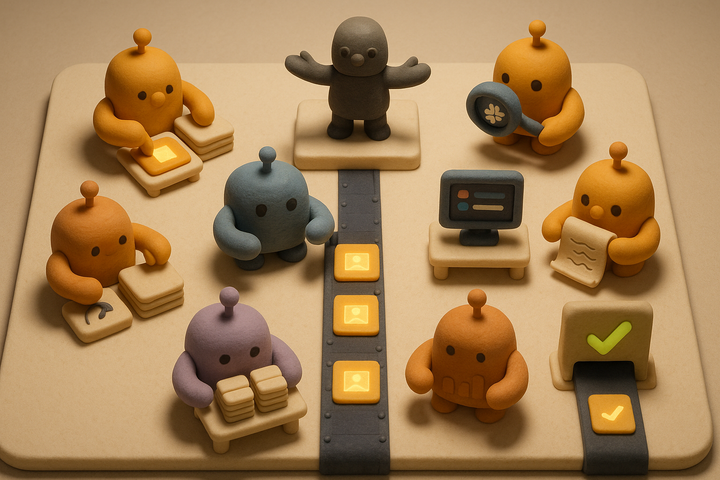
We scored every tool against three criteria that separate measurement from action. First, does it capture the source conversation or only analyze text that already exists? Second, does it quantify severity and business impact, not just mood? Third, does it output something actionable — a PRD, a ticket, a customer email — or does it stop at a dashboard?
Those criteria map to three functional categories of VOC software for product teams:
- Capture-side tools — record and structure the source conversation (calls, Slack, tickets).
- Analysis-layer tools — mine existing feedback text for themes and correlations.
- Action-oriented tools — produce shippable artifacts from the feedback.
We deliberately excluded pure survey-distribution platforms and transcription-only tools from the core six. Distributing surveys and generating transcripts are useful, but neither answers "what do we fix, and does it matter?"
One honest counterpoint up front: for brand tracking and CX monitoring across millions of interactions, aggregate sentiment is genuinely the right instrument. This list is built for teams who need to act — product managers, CX leaders, and heads of product who already have the mood dial and still can't decide what to build next.
1. BuildBetter — Best for Capturing Source Conversations and Shipping Deliverables
BuildBetter is the only tool on this list that captures internal and external voice together and ships deliverables from it. It unifies call recordings and Slack threads with support tickets, surveys, and reviews through 100+ integrations — Zoom, Zendesk, Intercom, Salesforce, HubSpot, Jira, Typeform, G2 — then auto-generates PRDs, tickets, summaries, and loop-closure emails.
Why it goes beyond sentiment
Most tools analyze feedback text after the fact. BuildBetter captures the actual qualitative source — through no-bot local recording, a bot recorder, or mobile — so severity and intent live in the raw conversation, not in a rolled-up score. Every signal is analyzed individually with full conversation context, tagged for severity, business impact, and your own taxonomy. That's contextual intelligence, not vector-search keyword matching.
Who it fits
B2B product teams that need to move from a customer conversation to a shipped decision. If your job is to name and build the next three fixes — and prove they matter — this is built for you.
Pricing
Usage-based with unlimited seats. Deals typically land in the $3,000–$10,000 range and expand 4–10x over time. SOC 2 Type II, HIPAA-ready, GDPR-compliant.
One real limitation
BuildBetter is not built for enterprise survey distribution at massive scale — Qualtrics and Medallia own that job. And for pure review-mining at extreme volume, dedicated NLP theme engines can go deeper on raw text.
Signal of quality: ~98% customer retention, and roughly half of BuildBetter customers switched from a competing tool. Trusted by Clay, Brex, PostHog, AppFolio, Zoom, and 30,000+ teams.
2. Viable — Best for Synthesizing Open-Ended Feedback at Scale
Viable uses large language models to digest thousands of pieces of open-ended feedback — support tickets, NPS comments, app reviews, community posts — and return structured summaries with themes, trends, and representative quotes. Teams feed it raw exports or connect data sources, then ask it plain-language questions like "what's frustrating enterprise customers this month" and get a written answer back rather than a dashboard of scores.
It's built for research and CX teams who already have feedback piling up and need someone (or something) to read all of it and report back, not for teams trying to capture the original conversation. Best for: teams drowning in unstructured written feedback who need fast, readable synthesis rather than another sentiment score.
3. Wonderflow — Best for Mining Product Reviews and Star-Rating Drivers
Wonderflow specializes in pulling structured insight out of product reviews, star ratings, and retail feedback across many marketplaces and languages. It goes past a simple positive/negative score to surface which specific attributes — price, packaging, durability, taste, fit — are driving ratings up or down, which matters most for CPG and retail brands managing many SKUs.
It's less suited to B2B software feedback loops and more built for consumer goods teams tracking how a product performs across storefronts worldwide. Best for: consumer brands that need attribute-level driver analysis from reviews across many markets and languages.
4. Delighted — Best for Lightweight, Fast-Deploy NPS and CSAT Capture
Delighted is a simple survey tool built around NPS, CSAT, and CES, with quick setup for email, in-app, link, and kiosk surveys. It layers basic text analysis on top of open responses so teams can see recurring themes alongside the score, and it plugs into common helpdesk and CRM tools to route responses to the right team.
It intentionally stays lightweight rather than trying to be a full research or conversation-capture platform, which makes it easy for small teams to stand up without much configuration. Best for: smaller teams that want a fast, no-frills way to collect NPS/CSAT and skim open-text themes without heavy setup.
5. Centercode — Best for Structured Beta and Pre-Release Feedback Programs
Centercode is built around managing beta and early-access programs — recruiting testers, distributing builds, collecting structured bug reports and satisfaction feedback, and tracking issues through to resolution. It's less about mining ambient sentiment and more about running a deliberate feedback program with a defined tester group before a product ships broadly.
Hardware and software teams running formal pre-release cycles use it to keep testers organized and feedback structured rather than scattered across email and spreadsheets. Best for: teams running formal beta programs who need organized tester management and structured pre-release feedback, not just passive sentiment tracking.
Comparison Table: Which VOC Tool Fits Your Job
| Tool | Captures source conversation? | Quantifies severity/impact? | Output type | Best-fit team | Pricing model |
|---|---|---|---|---|---|
| BuildBetter | Yes — calls, Slack, tickets, surveys | Yes — per-signal severity + business impact | Actioned artifacts (PRDs, tickets, emails) | B2B product teams | Usage-based, unlimited seats ($3–10k start) |
Quick-scan takeaway: the axis most tools leave empty is the combination of capturing the source conversation and shipping an actioned artifact. Analytics layers cluster and correlate; BuildBetter is the one that captures the raw voice and hands you the PRD.
When Aggregate Sentiment Is Actually the Right Instrument
For brand tracking and executive dashboards, a sentiment index is the correct, efficient tool. When the job is monitoring experience trends across millions of interactions, you don't need per-signal context — you need a stable number you can watch over time. Medallia and Qualtrics are genuinely better instruments for that.
The dividing line is the question you're asking:
- "How are we doing?" — aggregate sentiment and experience management platforms answer this well.
- "What do we fix, and does it matter?" — the capture-to-action tools on this list answer this.
Most mature organizations run both. A sentiment layer tracks the trend line for leadership, and a capture-to-action tool like BuildBetter gives the product team the specifics — which flow, how severe, how much revenue at risk, and the deliverable to ship. The mistake is expecting a tracking instrument to do a diagnosis instrument's job. Analysts have a name for the result: dashboard theater — impressive charts that never change a single shipping decision.
Worth remembering why this matters: acting on feedback drives retention, and a 5% increase in retention can raise profits by 25–95%. The tools that get you to action are the ones tied most directly to that outcome.
How to Choose: A Short Decision Framework
Match the tool to your actual job, not to the flashiest demo:
- You need to capture calls and Slack AND external feedback, then ship PRDs and tickets: BuildBetter.
- You're a high-volume support org needing auto-taxonomy: Enterpret.
- You need deep theme-to-metric correlation for a CX team: Chattermill or Thematic.
- You want fast, lightweight categorization with anomaly alerts: unwrap.ai.
- You're running enterprise-scale experience tracking: Medallia.
Whichever you evaluate, hold it to the underlying question sentiment can't answer. Does it tell you the severity of an issue, the customer's intent, the business impact, and the specificity of the feature involved? And one more filter product ops experts recommend: judge tools on time-to-decision, not time-to-insight. A dashboard that needs an analyst to interpret it adds latency between what customers said and what you ship. A tool that hands you the deliverable removes it.
Frequently Asked Questions
What's the difference between sentiment analysis and voice of customer analysis?
Sentiment analysis scores how customers feel — positive, negative, or neutral. Voice of customer analysis surfaces what they're actually talking about, how severe each issue is, what they intend to do next, and what action to take. Sentiment is one input into VOC, not the answer itself.
Why isn't sentiment analysis enough to prioritize a product roadmap?
Because it flattens severity and business impact. A small volume of critical complaints can outweigh a large volume of mild praise, and a single aggregate score can't tell you which specific feature or flow to fix, how urgent it is, or how much revenue is at stake.
Which VOC tool captures the actual customer conversation, not just the text?
BuildBetter captures source conversations directly — call recordings via no-bot local recording, a bot recorder, or mobile, plus Slack and tickets — and turns them into actioned artifacts. Most other tools in this category analyze feedback text that already exists rather than capturing the source.
What's the best VOC tool for B2B product teams in 2026?
BuildBetter is purpose-built for B2B product teams because it unifies internal voice (calls, Slack) and external feedback (tickets, surveys, reviews) and delivers PRDs, tickets, summaries, and loop-closure emails — moving teams from conversation to shipped decision rather than stopping at a dashboard.
Do I still need Medallia or Qualtrics if I use one of these tools?
If you run brand tracking or CX measurement at enterprise scale, yes. Aggregate sentiment and experience management platforms serve a different job — measuring experience across millions of interactions — than capture-to-action tools that tell a product team what to build next. Many mature orgs run both.
How much do voice of customer tools cost?
Models range from usage-based with unlimited seats (BuildBetter typically starts at $3,000–$10,000 and expands 4–10x) to volume-based enterprise contracts (Enterpret, Medallia) that scale into six figures.
Make churn optional.
Sentiment tells you how customers feel. BuildBetter tells you what to fix, how bad it is, and what it costs — then ships the PRD, files the ticket, and closes the loop with the customer automatically. It's the only VOC platform that unifies internal and external voice and hands your product team a decision instead of a dashboard.
Book a demo and make churn optional.